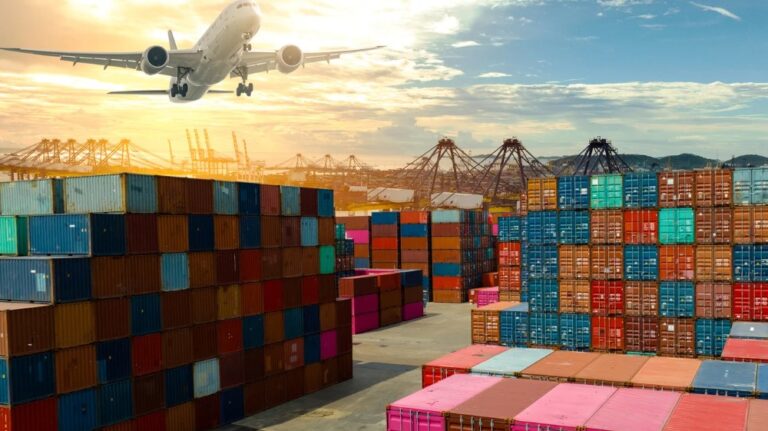
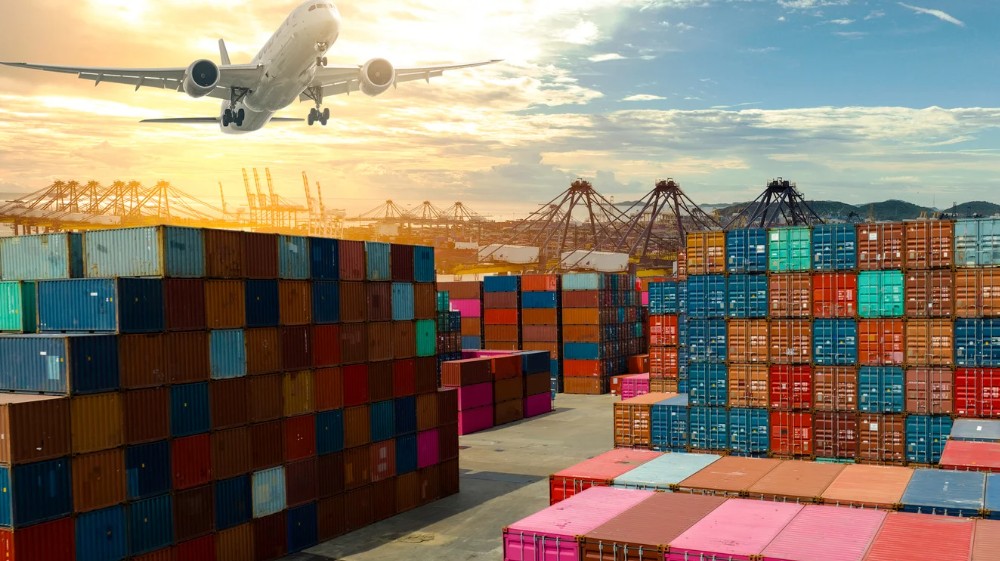
How does logistics shape the UAE’s position as a global economic powerhouse? The answer lies in the country’s unmatched ability to connect continents, streamline trade, and support industries that rely heavily on precision, speed, and international mobility.
Over the past two decades, logistics has become one of the UAE’s strongest economic pillars, with world-class ports, free zones, and air cargo networks creating a foundation that few countries can match.
Today, the sector does more than transport goods, it strengthens national competitiveness, supports diversification, and positions the UAE as an essential gateway for global commerce.
Why Is Logistics Considered a Core Driver of the UAE’s Economic Growth?
The UAE’s economic momentum relies significantly on efficient logistics infrastructure. With its strategic location between East and West, the country naturally attracts trade routes that connect Asia, Europe, and Africa.
Ports such as Jebel Ali and Khalifa Port consistently rank among the busiest in the region, while Dubai International Airport and Abu Dhabi International Airport act as major hubs for air cargo distribution.
This seamless movement of goods encourages multinational companies to base their regional headquarters in the UAE, leading to job creation, foreign investment, and rapid industrial expansion.
As sectors like retail, construction, e-commerce, and manufacturing continue to grow, logistics remains the invisible engine that keeps their operations running smoothly.
How Do Free Zones and Trade Policies Enhance the UAE’s Logistics Capabilities?
Free zones have played a major role in elevating the UAE’s global logistics appeal. These zones offer tax benefits, simplified regulations, and integrated warehousing solutions that give businesses an operational advantage.
Areas such as JAFZA, Dubai South, and Abu Dhabi’s KIZAD allow companies to import, store, and export goods with ease. Supportive policies and technology-driven customs processes further reduce delays, making the logistics ecosystem exceptionally efficient.
In many ways, the stability and transparency of the UAE’s business environment reinforce the reliability of its logistics sector. Midway through this ecosystem, insights from businessblog.ae highlight how these policies continue to strengthen trade competitiveness and attract international investors.
What Impact Does Logistics Have on the UAE’s Key Industries?
Logistics directly supports almost every major industry in the UAE. The retail and consumer goods sector relies on fast inventory movement, while the construction industry depends on timely delivery of materials.
Oil and gas companies use specialized logistics services for equipment handling, while the tourism industry benefits from strong aviation connectivity, ensuring steady passenger flow.
In recent years, the rise of e-commerce has created even greater demand for last-mile delivery networks, automated warehousing, and real-time tracking systems. This shift is pushing logistics companies to adopt AI-driven planning, robotics, and digital platforms that enable faster and more efficient operations.
How Does Technology Strengthen the UAE’s Logistics Competitiveness?
Digital transformation is reshaping logistics in the UAE, making operations more transparent, efficient, and predictable. Smart ports now use digital customs clearance, blockchain tracking, and automated cranes to speed up cargo handling.
AI-powered route optimization and real-time shipment monitoring improve delivery reliability, while advanced warehouse management systems support high-volume storage and distribution.
With the UAE’s growing focus on smart city development, logistics companies are integrating autonomous vehicles, drone delivery testing, and data-driven forecasting into their long-term strategies.
What Future Opportunities Will Logistics Create for the UAE Economy?
Looking ahead, logistics will remain central to the country’s ambitions for economic diversification. The expansion of the Etihad Rail network is expected to transform domestic trade and cross-border connectivity, enabling faster movement of goods across the GCC.
Sustainability is also becoming a major focus, with initiatives promoting green transport fleets, energy-efficient warehousing, and reduced emissions across the supply chain.
The UAE’s position along major global trade lanes ensures that logistics will continue to attract investment, stimulate job creation, and reinforce the nation’s influence in regional and international markets.
Conclusion
The UAE’s logistics sector does far more than manage transportation, it provides the structural backbone that supports trade, encourages industry growth, and enhances the country’s long-term economic resilience.
With strategic investments, technology adoption, and business-friendly policies, logistics remains one of the UAE’s most powerful economic assets.
As global trade evolves, the UAE’s ability to innovate within this sector will play a decisive role in sustaining its status as a world-leading commercial hub.
About the Author